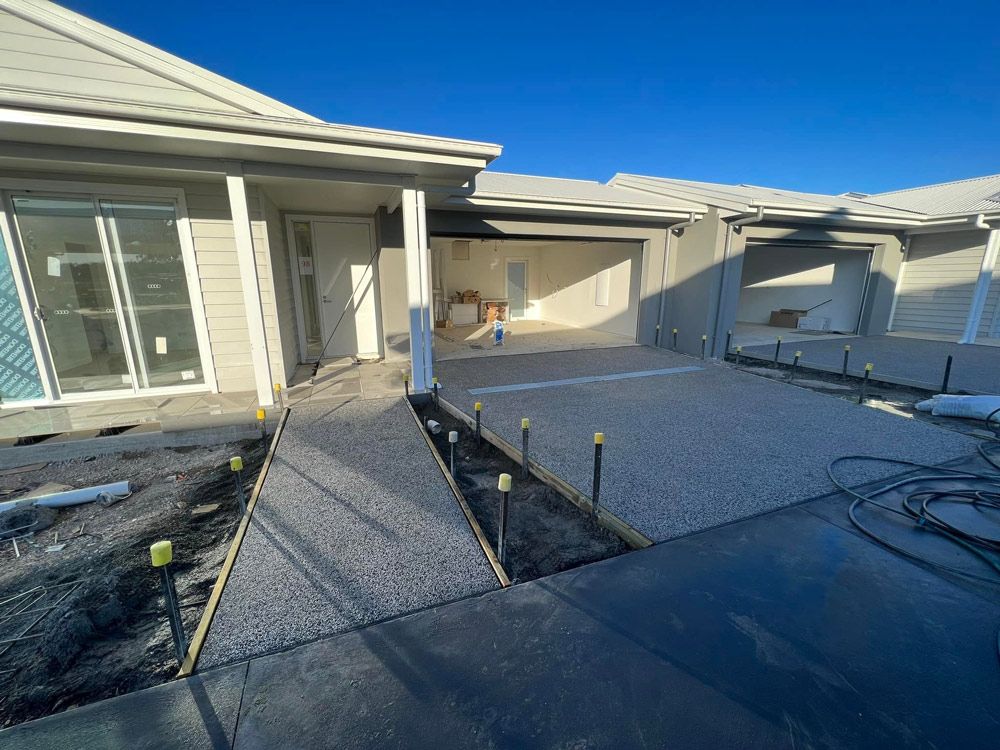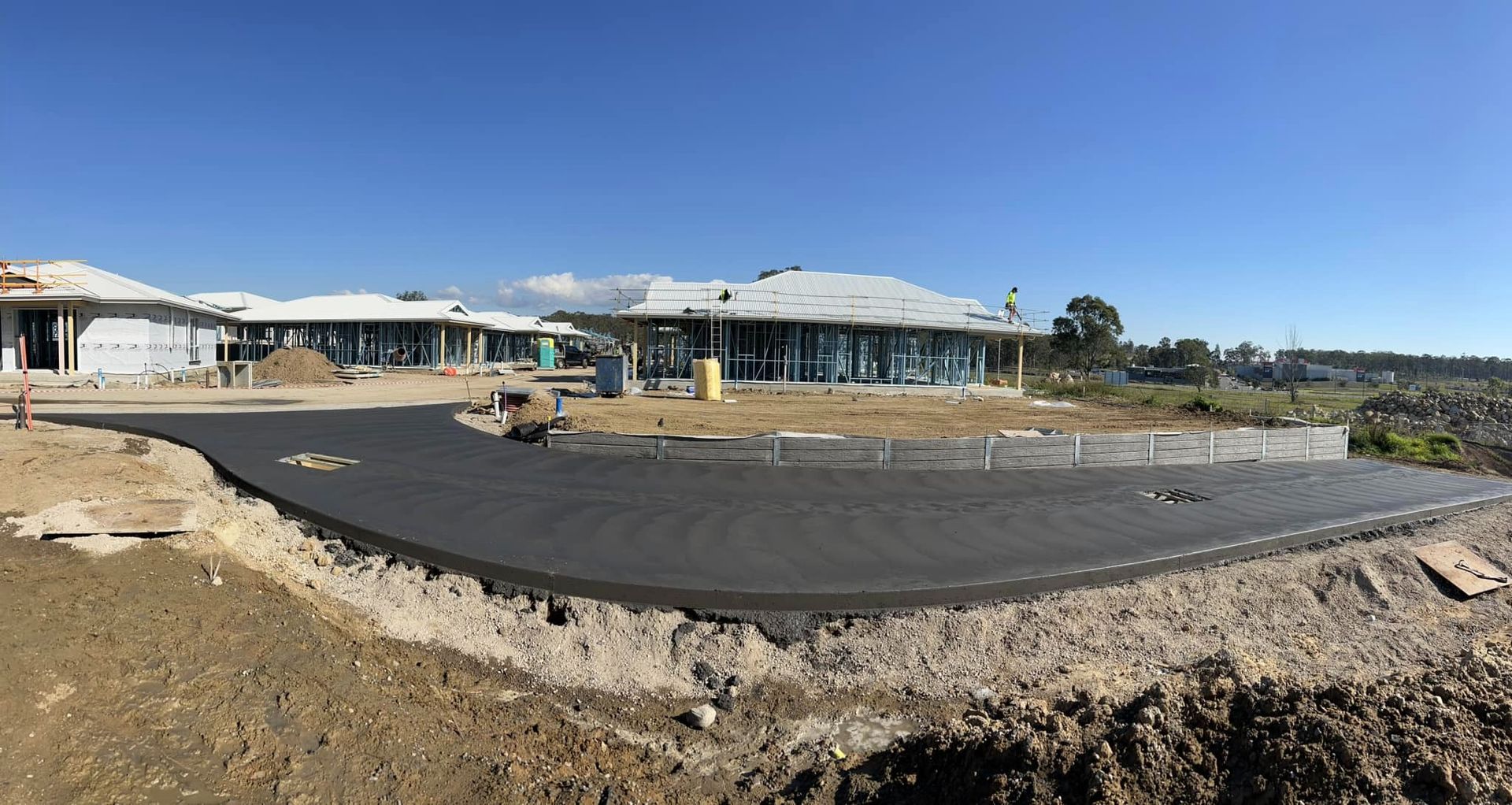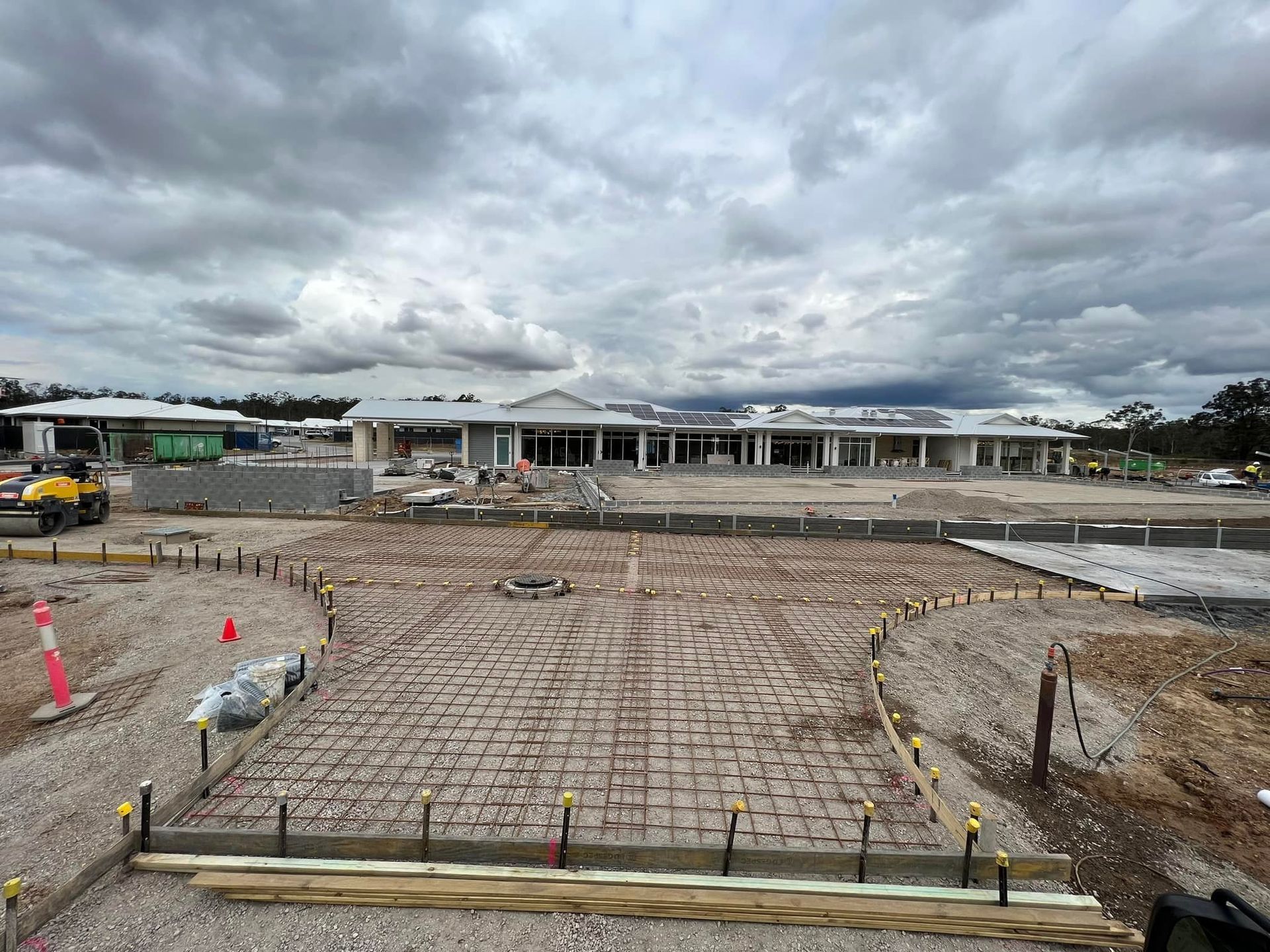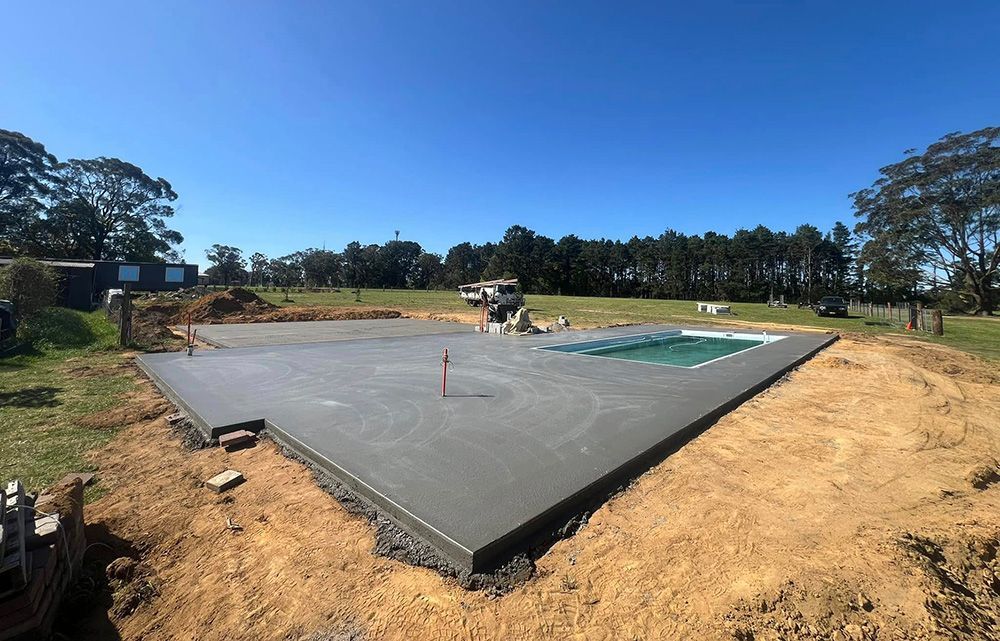
Why You Shouldn't DIY Your Concrete Driveway Or Slab: A Guide From A Concreter On The Central Coast
Online videos can make concreting look simple, but most homeowners quickly discover there is far more involved than mixing and pouring concrete. An experienced concreter on the Central Coast understands how quickly a DIY project can go wrong once timing, drainage, weather conditions, and finishing all come into play. What begins as an attempt to save money can easily turn into expensive repairs, wasted materials, and a driveway or slab that needs replacing far sooner than expected.
For homeowners considering a DIY concrete project, it is important to understand the risks before starting. Concrete is unforgiving once it begins curing, and even minor mistakes can leave permanent defects. Poor preparation and inexperience often lead to problems that cost far more to fix later.
Why DIY Concrete Projects Often Look Easier Than They Really Are
Many DIY concreting videos only show the successful outcome rather than the difficult parts of the process. They rarely include the preparation work, equipment setup, weather delays, or pressure of working against curing times.
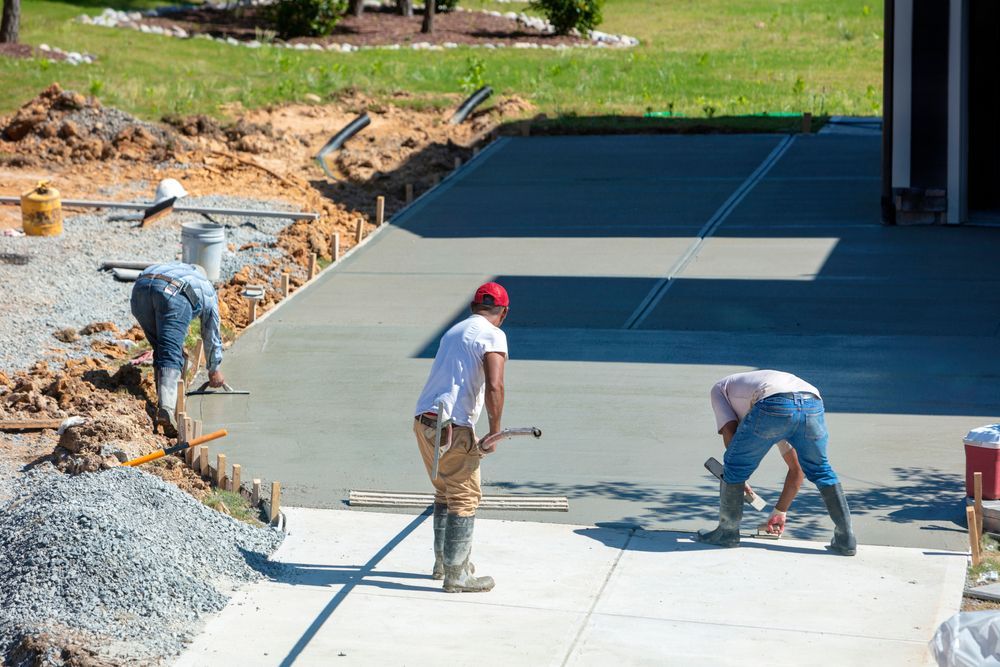
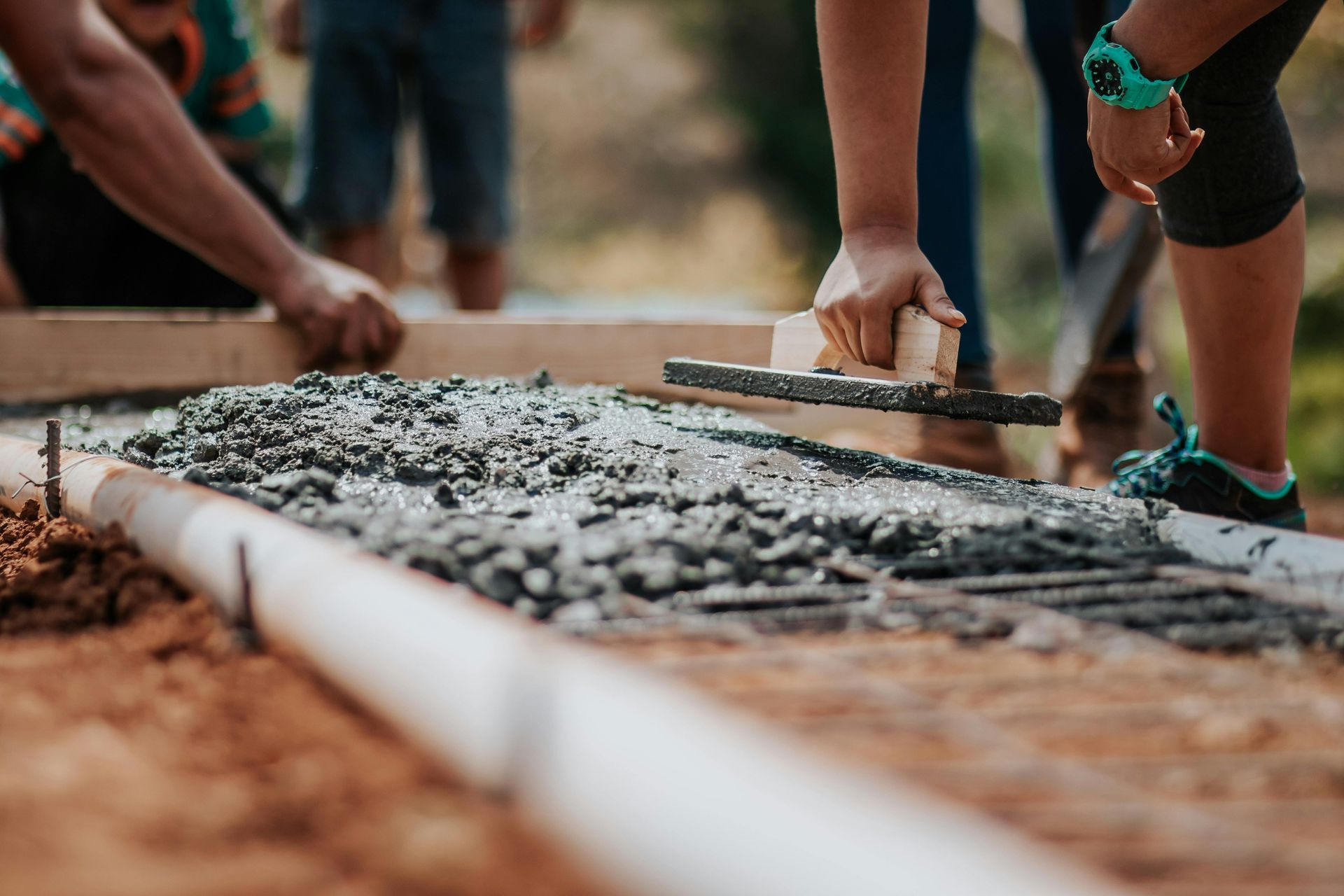
Concrete work moves fast once the pour begins. There is very little time to correct levels, adjust formwork, or smooth surfaces before the material starts setting. Homeowners attempting a DIY concrete driveway for the first time often underestimate:
- How physically demanding the work becomes
- How quickly concrete begins hardening
- The number of people needed during a pour
- The precision required to keep surfaces level
What seems manageable at first can quickly become overwhelming once the concrete starts curing before the surface is properly finished.
One Mistake Can Ruin an Entire Driveway or Slab
Unlike painting or landscaping, concrete mistakes are difficult and expensive to correct. Once concrete cures incorrectly, repairs often involve cutting out entire sections and starting again.
Common DIY concreting mistakes include:
- Incorrect measurements
- Uneven levels
- Poor drainage planning
- Adding too much water to the mix
- Pouring during unsuitable weather conditions
- Inconsistent finishing techniques
Even a slight levelling error can leave water pooling across the surface every time it rains. Over time, this can lead to cracking, erosion beneath the slab, and sections sinking or shifting.
For homeowners comparing the cost of a concrete driveway in NSW, it is worth remembering that redoing failed concrete almost always costs more than hiring professionals from the beginning.
Concrete Sets Faster Than Most Beginners Expect
One of the biggest challenges with DIY concreting is how quickly conditions can change during the pour. Concrete does not wait while tools are adjusted or mistakes are fixed.
Warm weather can speed up curing dramatically. Many DIYers realise too late that sections have already started hardening before they are levelled or properly finished.
This often leads to:
- Rough surfaces
- Uneven edges
- Visible trowel marks
- Weak top layers
- Early surface cracking
An experienced professional concreter on the Central Coast understands how weather, moisture, and timing affect every stage of the process. Without that experience, it becomes very easy to lose control of the finish before the job is complete.
Poor Drainage Is One of the Most Common DIY Problems
Drainage issues are one of the biggest reasons DIY concrete projects fail long term. A slab or driveway may appear level initially, but incorrect falls can create major water problems after heavy rain.
Poor drainage can cause:
- Water pooling near garages or sheds
- Soil erosion beneath the concrete
- Slippery surfaces
- Premature cracking
- Long-term structural movement
Many homeowners only discover these problems once the concrete has fully cured and rainfall exposes low spots or incorrect slopes.
Properly installed concrete driveway surfaces are designed to direct water away from surrounding structures from the very beginning, helping avoid costly drainage problems later.
DIY Equipment Costs Add Up Quickly
Many homeowners attempt DIY concreting to reduce costs, but equipment expenses often become far higher than expected.
Depending on the project, DIY concreting may require:
- Concrete mixers
- Plate compactors
- Screeds
- Finishing tools
- Excavation equipment
- Trailers for transporting materials
There is also the cost of wasted concrete if measurements are wrong or sections cure unevenly.
Once machinery hire, extra labour, transport, and repair costs are added together, the savings from DIY concreting often disappear quickly. This is one reason many homeowners turn to experienced
concreters in Lake Macquarie when planning larger driveway or slab projects.
Repairing Failed Concrete Rarely Looks Seamless
Many homeowners assume cracked or uneven concrete can simply be patched later, but repairs are rarely invisible. In most cases, repaired sections stand out due to colour differences, texture changes, or uneven surfaces.
DIY concrete repairs often result in:
- Visible patch lines
- Ongoing cracking around repaired areas
- Uneven colouring
- Weak joins between old and new concrete
In serious cases, the entire slab or driveway needs removal before replacement work can begin.
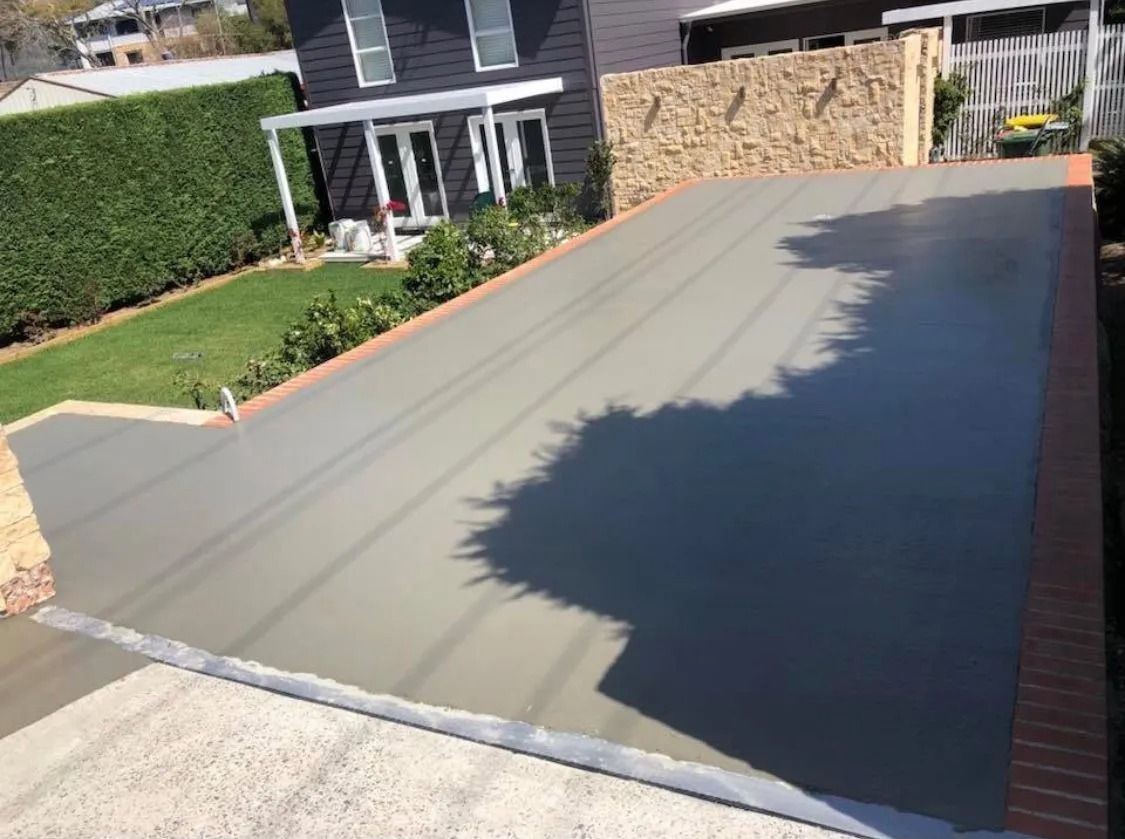
This becomes especially costly for homeowners planning a concrete slab on the Central Coast, where drainage, curing conditions, and ground movement can all affect long-term performance if the installation is not done correctly from the start.
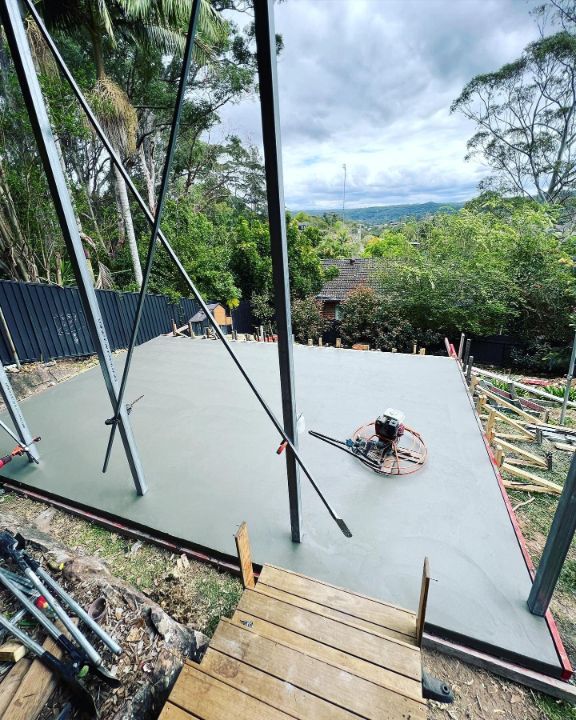
A professionally installed shed slab helps avoid these issues by providing stable support designed for long-term durability.
Weather Conditions Can Quickly Ruin a DIY Pour
Concrete work depends heavily on weather conditions. Excessive heat, rain, or strong wind can all affect curing times and finishing quality.
DIY pours often fail because homeowners do not realise how weather impacts:
- Surface moisture levels
- Drying speed
- Concrete strength
- Cracking risk
- Final appearance
Rain during a pour can weaken the surface and damage the finish completely. Hot conditions can also dry the concrete too quickly, increasing the risk of cracking before curing is complete.
Experienced concreters plan carefully around weather conditions rather than trying to push through unsuitable conditions.
DIY Concrete Problems Can Affect Property Presentation
A poorly finished driveway or slab becomes noticeable very quickly. Uneven surfaces, visible cracks, poor drainage, and rough finishing can all affect how a property looks from the street.
Many homeowners attempt DIY concreting expecting a simple cost saving, only to end up with concrete that looks unfinished or begins deteriorating much earlier than expected.
Because driveways are one of the first things people notice when approaching a property, poor-quality concrete work can impact both presentation and long-term value.
Avoid Costly DIY Mistakes With the Right Concrete Team
DIY concreting may appear straightforward online, but the reality is far more technical and time-sensitive than most homeowners expect. From curing times and drainage to weather conditions and finishing techniques, small mistakes can quickly become expensive long-term problems.
At Coastal Kerb and Concrete, we help homeowners avoid the stress, wasted materials, and repair costs that often come with failed DIY concrete work. Our team delivers reliable driveway and slab solutions designed for long-term durability and a clean, professional finish. If you are planning a new driveway or concrete slab, contact our team today to discuss your project and get the job done properly from the start.