Understanding Concrete Strength And Thickness For Different Project
Concrete is often seen as a simple material — mix it, pour it, let it set. Yet beneath that simplicity lies a careful balance of strength, thickness and reinforcement that determines how well it performs over time. Whether you are planning a new driveway, a patio extension or a house slab, understanding these fundamentals can make a significant difference to durability and safety.
Choosing the right specification is not about using more concrete than necessary. It is about selecting the appropriate strength grade and thickness for the intended purpose. When done correctly, concrete becomes a reliable foundation that supports everyday life without ongoing issues. For homeowners, taking the time to understand these basics can help avoid common problems that arise from underestimating load requirements or overlooking site conditions.
Why Concrete Strength Ratings Matter More Than You Think for Residential Projects
Concrete strength ratings describe how much load the material can withstand once cured. For homeowners, these numbers may seem technical, yet they directly influence how a surface performs under daily use.
When planning a residential project, a concreter considers:
- The intended load, such as vehicles, structures or foot traffic
- Environmental exposure including moisture and temperature changes
- Long-term performance expectations
- Compliance with relevant building and engineering requirements
For example, a shed slab does not typically require the same compressive strength as a driveway supporting heavier vehicles. By aligning the mix design with the purpose of the slab, a professional concreter helps ensure the finished surface performs as expected without unnecessary material costs or structural risk.
Driveways Under Pressure: Matching Thickness to Vehicle Loads
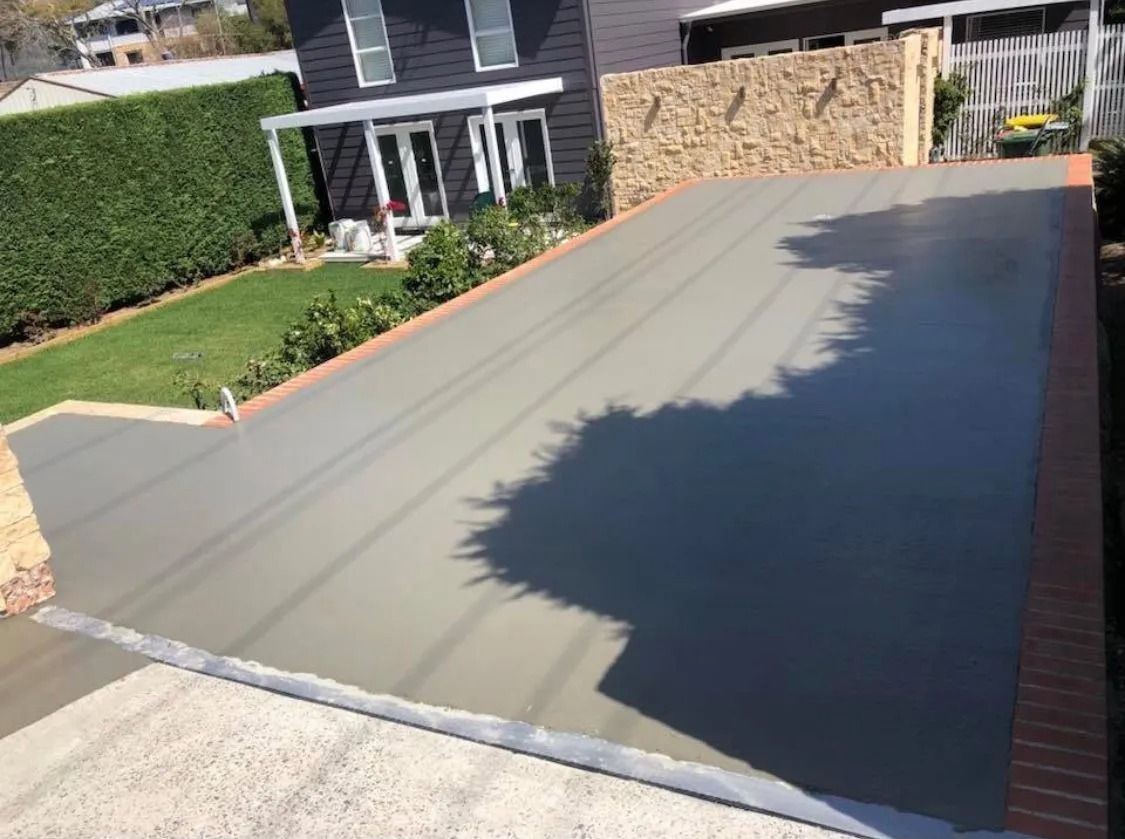
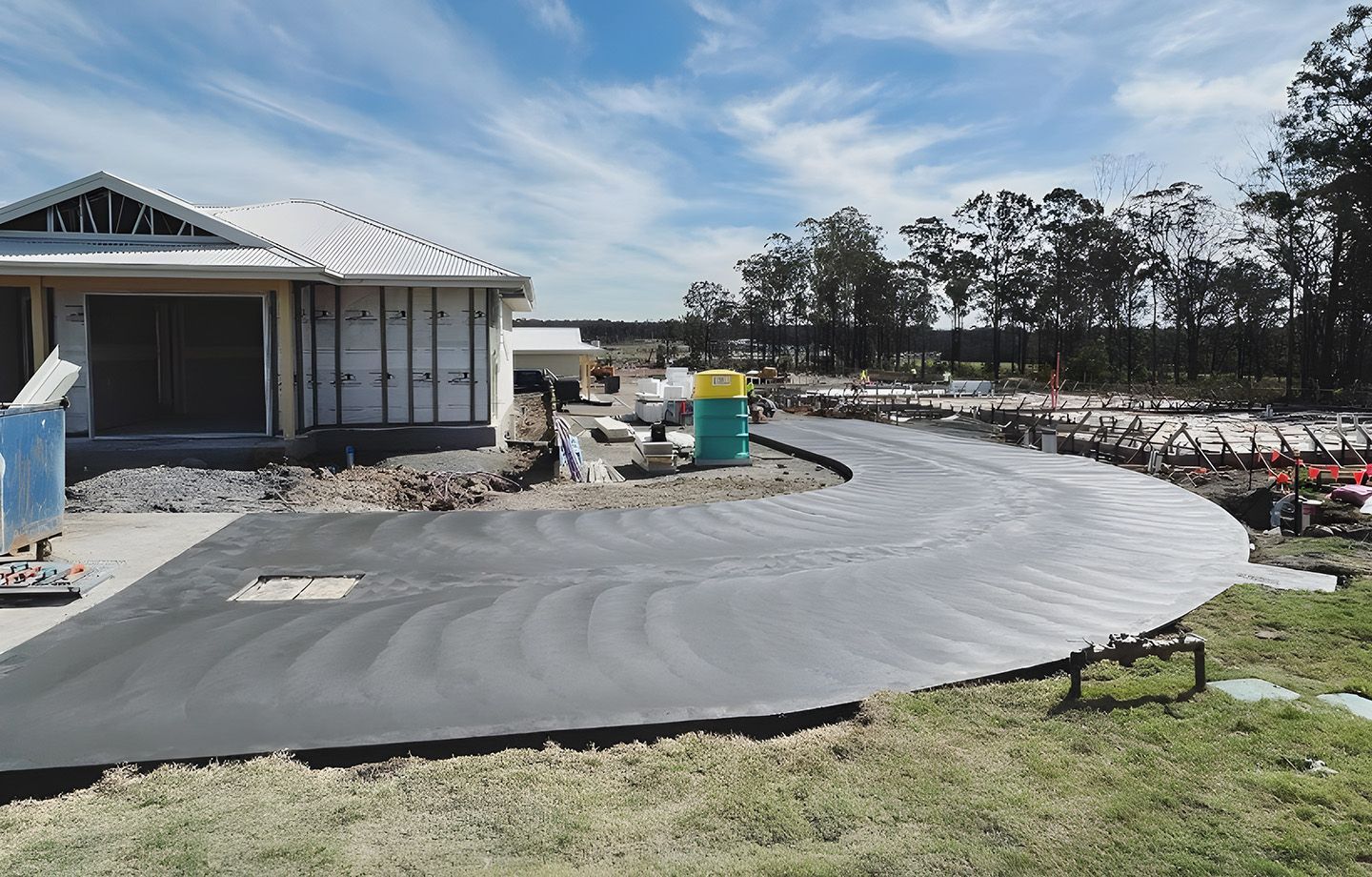
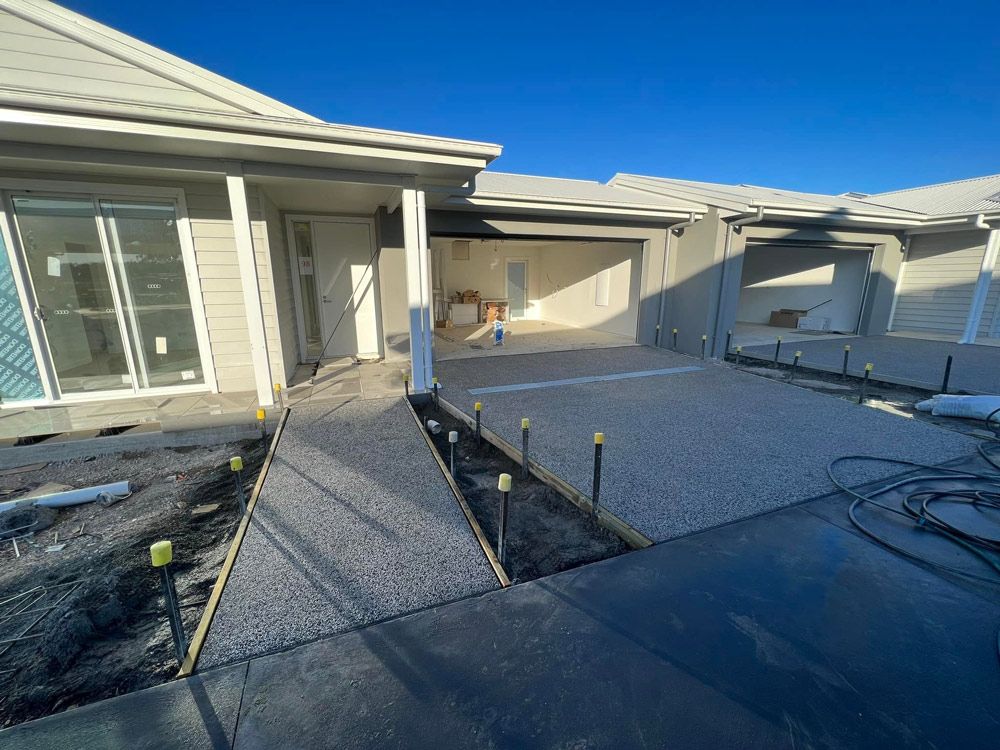
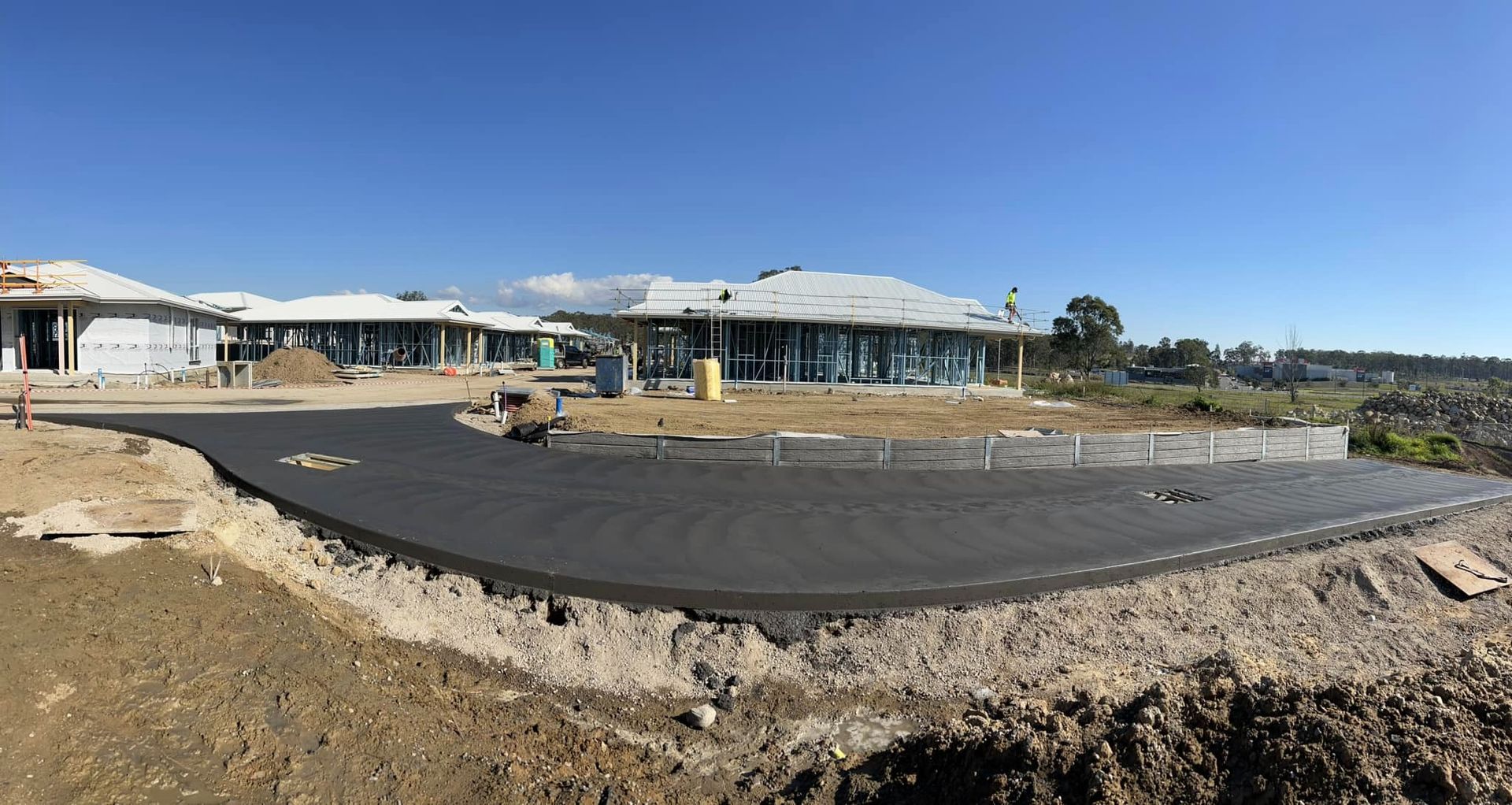
A driveway experiences repeated stress from vehicles entering and exiting the property. Over time, insufficient thickness or strength can lead to cracking, surface wear or movement that affects both appearance and usability.
When determining driveway specifications, considerations often include:
- The weight and frequency of vehicle traffic
- Subgrade stability and compaction
- Reinforcement requirements
- Edge support to reduce cracking along borders
A standard passenger vehicle may require a different slab thickness compared to areas used by heavier vehicles such as caravans or small trucks. By carefully matching thickness and strength to expected loads, driveway installations can be designed to manage daily pressure while maintaining structural integrity and surface performance.
House Slabs and Foundations: Getting the Structural Base Right
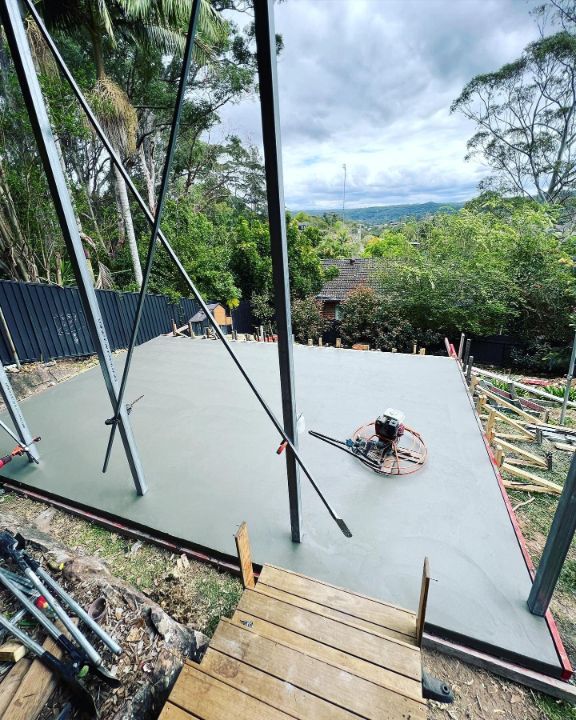
A house slab forms the base of the entire structure, which means thickness and strength must align with engineering requirements. Even small variations can affect long-term stability and performance.
Key factors typically include:
- Structural load from walls and roofing
- Reinforcement placement within the slab
- Vapour barriers and moisture management
- Compliance with approved building plans
Professional slab construction involves coordinating with building documentation to ensure the concrete mix and slab depth meet structural expectations. This approach supports a stable foundation that distributes weight evenly, reduces the likelihood of uneven settlement and contributes to the overall integrity of the home.
Are Thinner Patio and Alfresco Slabs Ever Appropriate?
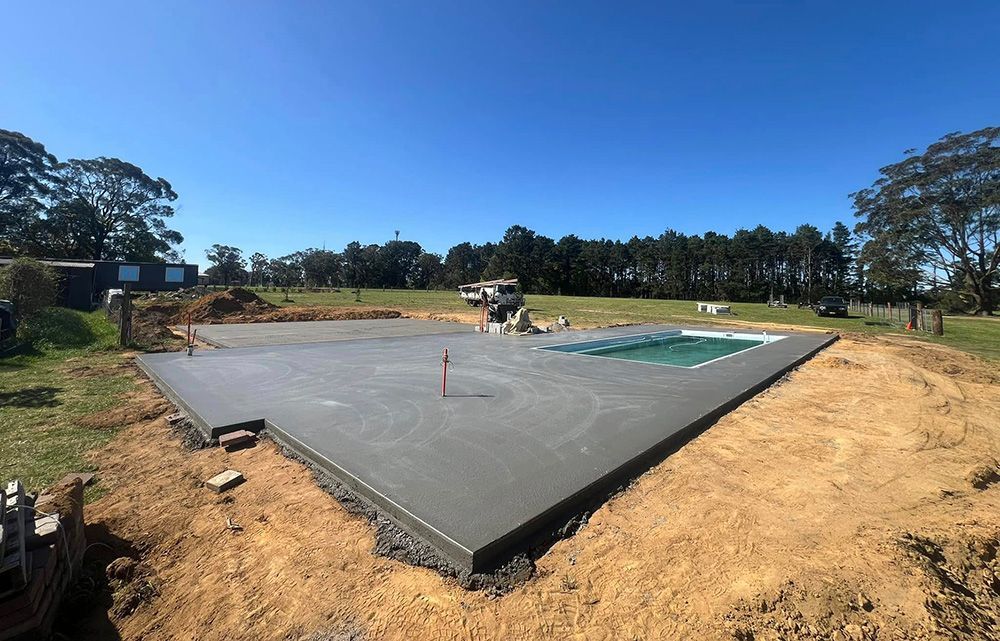
Outdoor entertaining areas often carry lighter loads than driveways or house slabs, yet they still require careful planning. Thinner slabs may be appropriate in certain scenarios, provided ground preparation and reinforcement are addressed correctly.
Considerations may include:
- Intended use, such as seating areas or light outdoor furniture
- Soil preparation and compaction
- Drainage to prevent water pooling
- Future additions such as pergolas or outdoor kitchens
For patios and alfresco areas, the goal is to balance cost efficiency with durability. Selecting an appropriate thickness and strength helps ensure the slab supports everyday use while remaining resilient against weather exposure and gradual ground movement.
Footpaths and Pathways: Balancing Practicality with Durability
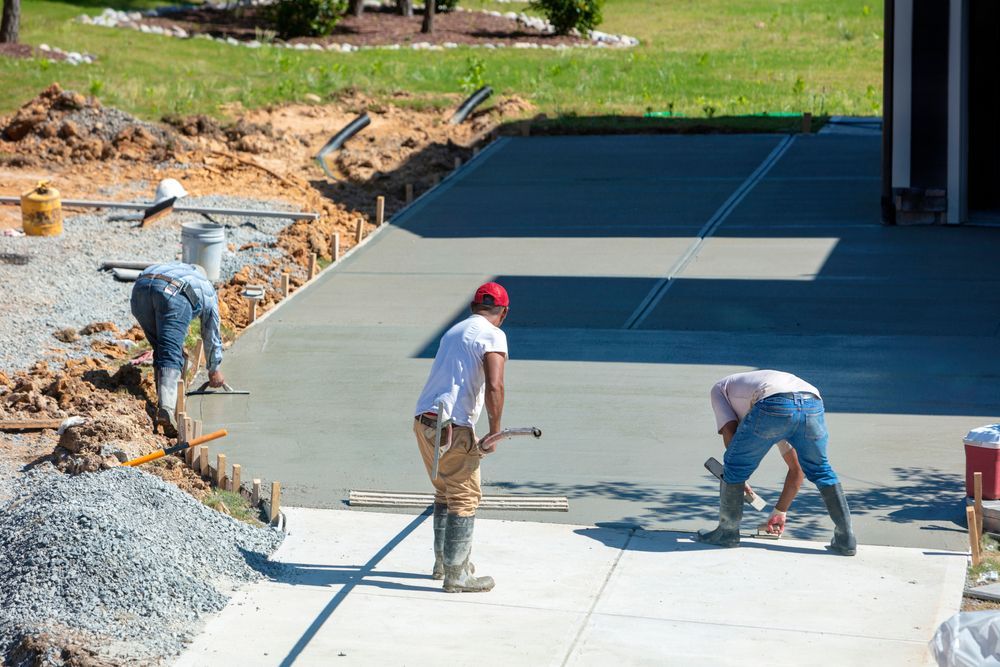
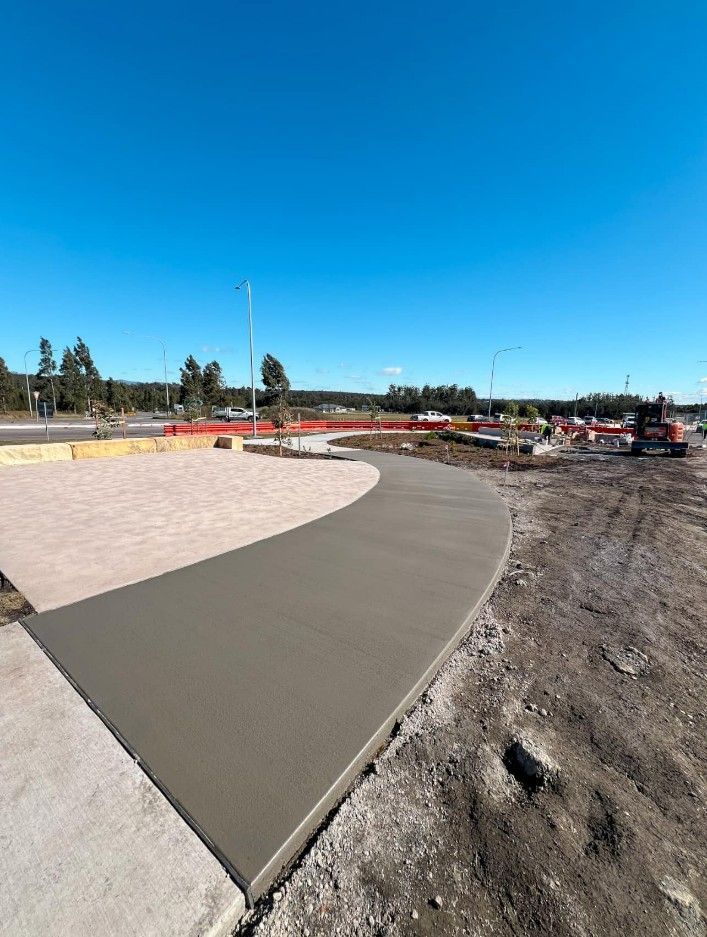
Footpaths and garden pathways appear straightforward, yet they are still subject to movement, moisture and surface wear. Selecting the correct thickness prevents early cracking and surface breakdown that can create maintenance issues.
Factors influencing pathway design often include:
- Pedestrian traffic levels
- Tree roots and surrounding landscaping
- Ground movement and drainage conditions
- Connection points to driveways or slabs
A pathway constructed with appropriate strength and thickness can maintain its appearance and function over time. By assessing site conditions and usage patterns, a concreter can recommend specifications that support safe and reliable access around the property without unnecessary overbuilding.
The Role of Reinforcement in Supporting Concrete Thickness
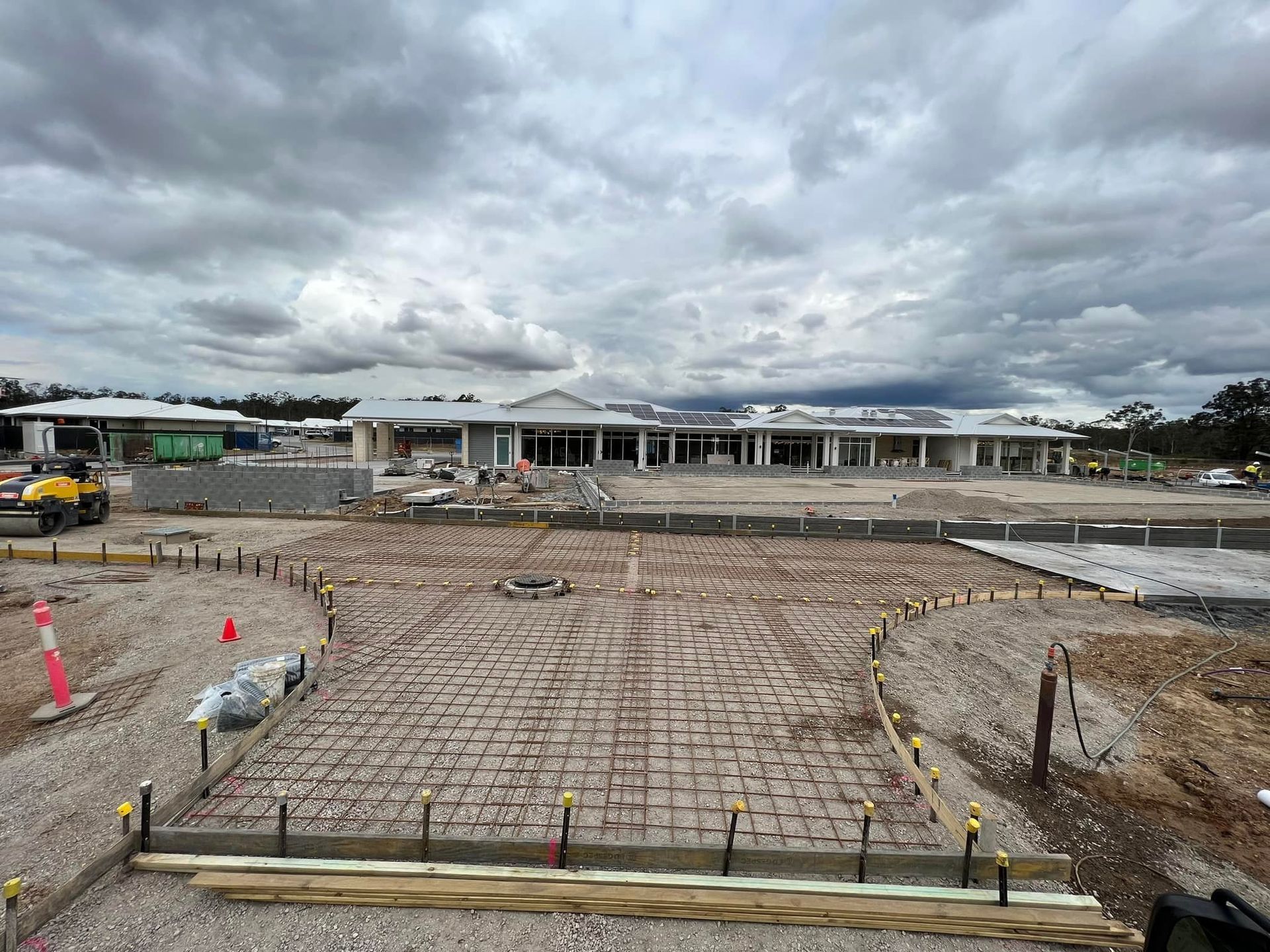
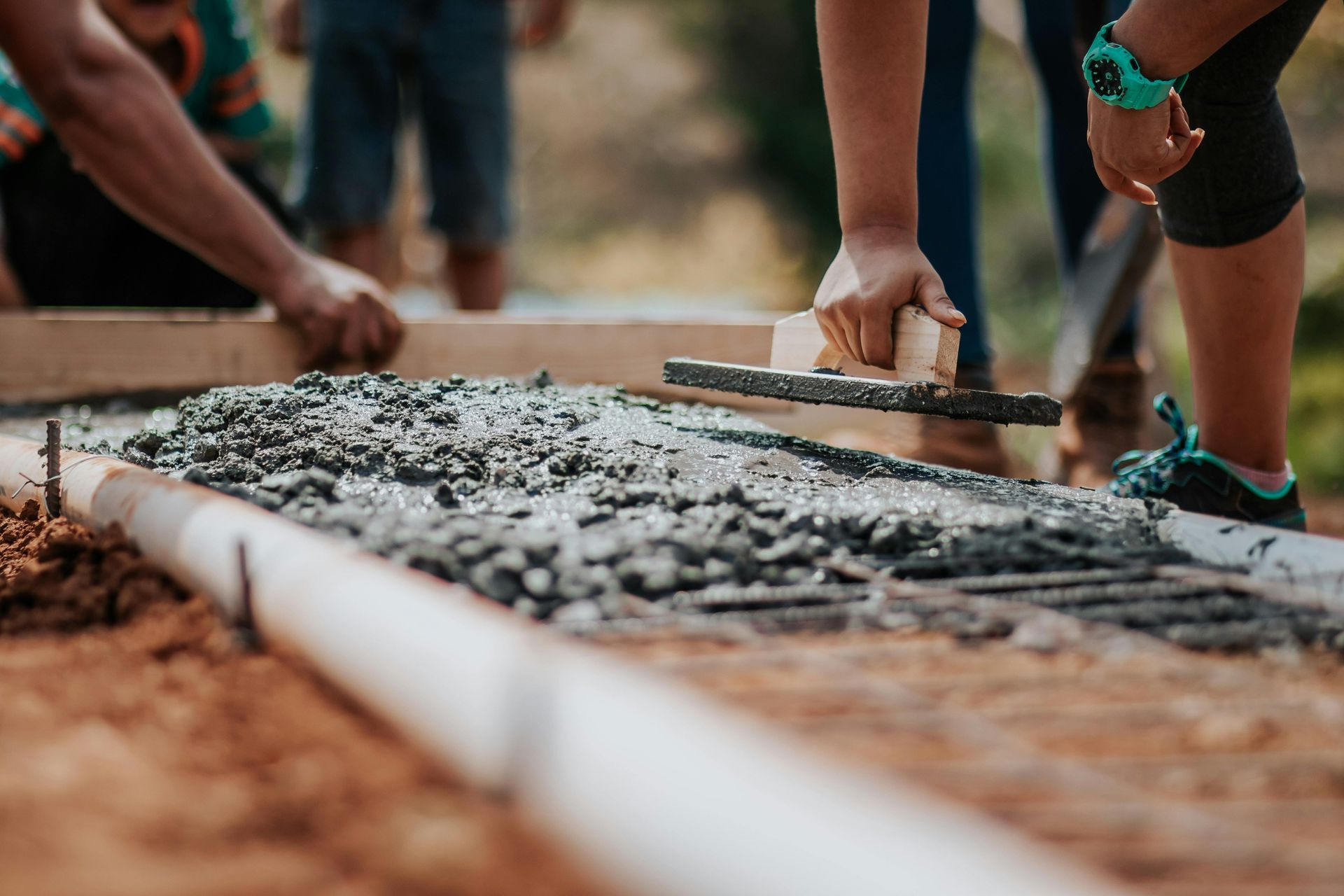
Concrete performs well in compression but benefits from reinforcement to manage tensile stress. Steel mesh or reinforcing bars are commonly incorporated to support structural performance, particularly in areas exposed to load variation.
Reinforcement contributes by:
- Distributing loads across the slab
- Reducing the impact of shrinkage cracking
- Supporting structural integrity under stress
- Enhancing durability in reactive soil conditions
The relationship between reinforcement and slab thickness is important. A thicker slab without adequate reinforcement may still develop cracks, while correctly placed reinforcement enhances the overall strength of the concrete system. Professional installation ensures these components work together as intended within the overall design.
Soil Conditions and Site Preparation: The Hidden Factors Beneath the Slab
Beneath every concrete surface lies prepared ground that influences performance. Even high-strength concrete can be compromised by unstable soil or poor compaction if the base is not prepared correctly.
Site preparation typically involves:
- Excavation to suitable depth
- Compaction of sub-base materials
- Addressing drainage to reduce water accumulation
- Levelling to ensure consistent slab thickness
Soil type plays a major role in determining slab thickness and reinforcement needs. Reactive or poorly compacted ground may require additional preparation to provide a stable base. Proper groundwork helps the concrete maintain its intended strength and shape over time, reducing the likelihood of uneven movement.
Why Professional Assessment Helps Avoid Costly Thickness and Strength Mistakes
Incorrectly specified concrete can lead to avoidable repairs and maintenance. Slabs that are too thin or use an unsuitable mix may show premature cracking, surface deterioration or structural stress.
Professional assessment supports:
- Accurate evaluation of load requirements
- Selection of suitable concrete strength grades
- Integration of reinforcement and site preparation
- Alignment with building and engineering documentation
Rather than relying on assumptions, consulting a qualified concreter allows the design to reflect the project’s specific demands. This balanced approach considers performance, safety and cost, helping property owners make informed decisions before work begins and reducing the risk of unexpected issues later.
We at Coastal Kerb and Concrete understand the practical challenges that come with planning concrete projects in coastal environments, where soil movement and moisture can influence long-term performance. As your trusted concreter on the Central Coast, we carefully assess site conditions, intended use and structural requirements before recommending a suitable approach. If you are considering a new slab, driveway or outdoor area, visit our webite to learn more or contact us to discuss your project.